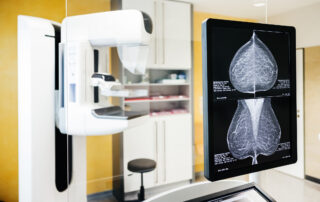

AI algorithm based on routine mammogram + age can predict women’s major cardiovascular disease risk

As good as standard risk assessment methods and uses existing health infrastructure Mammography may offer a cost-effective ‘two for one’ effective screening option An AI algorithm based only on routine mammogram images plus age can predict a woman’s risk of major cardiovascular disease as well as standard risk assessment methods, ...

2025-09-17T13:24:54+01:0017 September 2025|Heart, Press release|

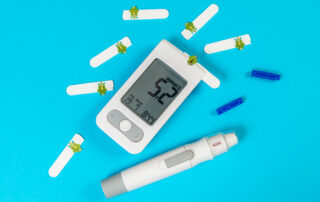
People with learning disabilities seem to progress faster to severe type 2 diabetes

And are at heightened risk of death despite having better overall blood glucose control People with learning disabilities progress faster to severe type 2 diabetes and are at greater risk of dying from their condition than people without these disabilities, suggests research published in the open access journal BMJ Open Diabetes ...

2025-09-03T09:59:59+01:003 September 2025|BMJ Open Diabetes Research and Care, Press release|

Risk of a second cancer after early breast cancer is low

Findings are reassuring for patients and should be shared widely For women diagnosed with early breast cancer, the long-term risk of developing a second primary cancer is low (around 2-3% greater than women in the general population), finds a study published by The BMJ today. The researchers say this information can help ...

2025-08-28T08:47:44+01:0028 August 2025|Press release, The BMJ|

Exercise rehab lessens severity, frequency + recurrence of irregular heart rhythm (AF)

As well as improving general exercise capacity and mental health, finds pooled data analysis Exercise-based cardiac rehabilitation lessens the severity, frequency, and recurrence of the most common form of irregular heart rhythm, atrial fibrillation, or AF for short, finds a pooled data analysis of the available research, published online in ...

2025-07-30T14:24:06+01:0030 July 2025|British Journal of Sports Medicine, Press release|

Many high street health tests are unfit-for-purpose and need greater regulation, warn experts

Studies highlight issues over accuracy and suitability for public use Many self-tests available on the UK high street are unfit-for-purpose and need much greater regulation to ensure they are safe and reliable, conclude two studies published by The BMJ today. The findings show that most self-tests lack essential information about who should ...

2025-07-24T09:01:40+01:0024 July 2025|Press release, The BMJ|
Go to Top