
BMJ Group Logo

Adolescent social media restrictions may reduce some harms while shifting others, warn experts

Effects are not simple and need to be considered within social, technological, commercial, and political contexts to avoid unintended harms As the UK plans to ban under 16s from social media platforms such as Snapchat, TikTok, Instagram, Facebook, and X, experts writing in The BMJ today argue that restrictions may reduce some harms ...

2026-07-15T17:06:40+01:0016 July 2026|Press release, The BMJ|

Epidurals not linked to increased harm for newborns or children

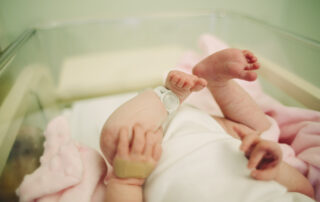
Study provides strong evidence that epidural analgesia in labour is safe for newborns, say researchers Having an epidural during labour is not associated with clinically significant increased risks of harm to newborn babies, including brain injury, severe breathing problems, sepsis and death, or cerebral palsy later in childhood. The researchers ...

2026-07-15T17:04:34+01:0016 July 2026|Press release, The BMJ|

Children born during lockdown in England found it more difficult to focus, follow instructions and regulate their emotions at 4 years of age

Limited mixing during early childhood was associated with some key areas of development Overall language scores and motor skills were at or above expected levels for age Children born during the first COVID-19 lockdown in England had lower reported levels of executive function - crucial skills involved in making plans, ...

2026-07-15T09:53:27+01:0015 July 2026|Archives of Disease in Childhood, Press release|

Low dose atropine eye drops safe and effective for short-sightedness in UK children

Trial results will help inform policymakers in the UK, say researchers Low concentration atropine eye drops are a safe and effective treatment for  short-sightedness (myopia) in UK children, although the effects are small, suggests a clinical trial published by The BMJ today. The researchers say the drops led to small but significant reductions ...

2026-06-12T10:03:32+01:0012 June 2026|Press release, The BMJ|

School spending cuts linked to poorer GCSE grades among 16 year olds in England

Impact more noticeable in areas of socioeconomic disadvantage Policy reform to bridge historical funding gap didn’t staunch declining attainment School spending cuts are linked to poorer GCSE grades achieved by 16 year olds in England, finds an analysis of local authority spend on each pupil between 2014-15 and 2022-23, and ...

Go to Top