
Geneva, March 4, 2025 – What began as a bold response to a call from the United Nations has grown into one of the most enduring public-private partnerships for research equity. For 25 years, Research4Life has expanded access to trusted academic and professional resources – transforming who gets to participate in global research.
Launched in 2001 as Hinari with the World Health Organization and six founding publishers, Research4Life emerged from a simple but powerful idea: that researchers, clinicians, educators and policymakers everywhere should be able to access the research and resources they need to improve lives. Today, that idea has become a global movement. Research4Life works with more than 185 publisher partners to provide access to over 250,000 journals, books and databases. The partnership serves more than 12,000 institutions across 120 countries and helps to create more equitable access to trusted scholarly resources for researchers in low- and middle-income countries.
Since 2002, BMJ Group has contributed to improving global health by participating in the WHO’s Research4Life Organization’s Access to Research Initiative (HINARI). This programme grants free access to nearly 250,000 journals, books and databases to health workers and researchers in more than 120 developing countries.
From access to participation
Research4Life’s impact extends far beyond access alone. Over the years, the partnership has evolved to support equitable participation in the global research ecosystem – enabling researchers not only to access scholarly resources, but to produce, publish and share their work. Alongside access to content, Research4Life provides training enabling effective research use, and works to strengthen local publishing capacity and Open Access publishing through APC waivers and discounts – helping ensure that research from low- and middle-income countries is more visible and recognised within global research systems.
Research4Life’s success is rooted in collaboration: between UN agencies, publishers, libraries, funders, volunteers and critically, its global community of users. Today, the partnership supports evidence-based decision-making and life-saving research that addresses some of the world’s most urgent challenges.
The evidence is clear
Independent WIPO studies show that Research4Life access is linked to major gains in research output: scientific publishing rose by up to 75% in low- and middle-income countries, and up to 80–100% in some regions, while participation in international clinical trials increased by over 20%. A follow-up study also found strong gender effects, with publications involving women researchers rising by up to 30%, especially in countries facing the highest systemic barriers.
Results are equally visible at the national level. Across Research4Life’s 14 Country Connector countries, publications and citations have grown steadily since each program launched, even under difficult conditions. In 2024, Ukraine recorded more than 33,000 publications and nearly 300,000 citations despite ongoing war. Ghana’s citations have nearly doubled since 2022, and Uganda recorded over 124,000 citations in the months since joining, demonstrating how quickly locally led support can strengthen research systems.
“Research4Life is the foundation of the global research ecosystem in many parts of the world,” said Tandi Lwoga, incoming Chair of Research4Life Executive Council, and Rector of the College of Business Education, Tanzania. “For 25 years, this partnership has shown what’s possible when we work together across sectors to remove barriers, work alongside research communities and turn access into lasting impact. As we look ahead, our focus is firmly on participation, collaboration and action for equity.”
Looking ahead: the next 25 years
As Research4Life celebrates this milestone, it is also looking toward the next 25 years: a future where researchers everywhere can collaborate as equals, where local knowledge connects globally, and where equitable access to information fuels innovation, resilience and social progress.
Throughout 2026, Research4Life will mark its anniversary with events, storytelling initiatives and partner activities around the world, culminating in its flagship Global Partners Meeting in July 2026 in Geneva, 25 years since the signing of the first Research4Life Agreement.
To honor 25 years of impact, and help shape the next 25, Research4Life invites supporters around the world to get involved. Share your story and follow the anniversary campaign using #R4L25, support the partnership financially, or volunteer your expertise to help advance equitable participation in global research. Together, we can keep opening doors to knowledge, opportunity and impact for generations to come.
Learn more and get involved: https://www.research4life.org/r4l25/
###
About Research4Life
Research4Life is a partnership of five UN agencies (WHO, FAO, UNEP, WIPO, ILO), Cornell and Yale Universities, the International Association of Scientific, Technical and Medical Publishers (STM) and more than 200 international publisher partners. Research4Life’s mission is to build an inclusive, diverse and equitable scholarly communications environment by delivering free or low-cost access and user-focused training and resources to researchers in low- and middle-income countries. www.research4life.org
Supporting open science through increased preprint publications
We want to continue reshaping the way medical research is conducted and disseminated, and our co-founding of medRxiv in 2019 with Cold Spring Harbour Laboratory and Yale University is helping us to do that.
The best decisions rely on the best evidence. Therefore, we make it our responsibility to help authors and researchers reach and share the most robust evidence available. Collaboration and preprints are crucial in achieving this goal.
MedRxiv contributes significantly to open science by publishing approximately 12,000 preprints every year. Our preprint server allows authors in the clinical field to share their findings quickly with the scientific community, fostering faster collaboration and advancement. Our partnership with medRxiv also enables us to directly transfer manuscripts from medRxiv to all journals within our collection of nearly 70 journals.
Work that makes a difference

Ugandan trial shifted global covid-19 guidance
In August 2021, Dr Bruce Kirenga and his team at the Makerere University Lung Institute published a pivotal study in BMJ Open Respiratory Research on the efficacy of convalescent plasma for covid-19 treatment in Uganda.
The study’s findings on the limited efficacy of convalescent plasma (CP) helped shape major treatment guidelines, including the World Health Organization Therapeutics and COVID-19: Living guideline. Where most publications in the biomedical and clinical sciences field receive only two to three citations, this study has far exceeded that benchmark. BMJ Impact Analytics shows 46 citations in health policy, eight in clinical guidance, and uptake across five countries.
Influencing health policy in Peru
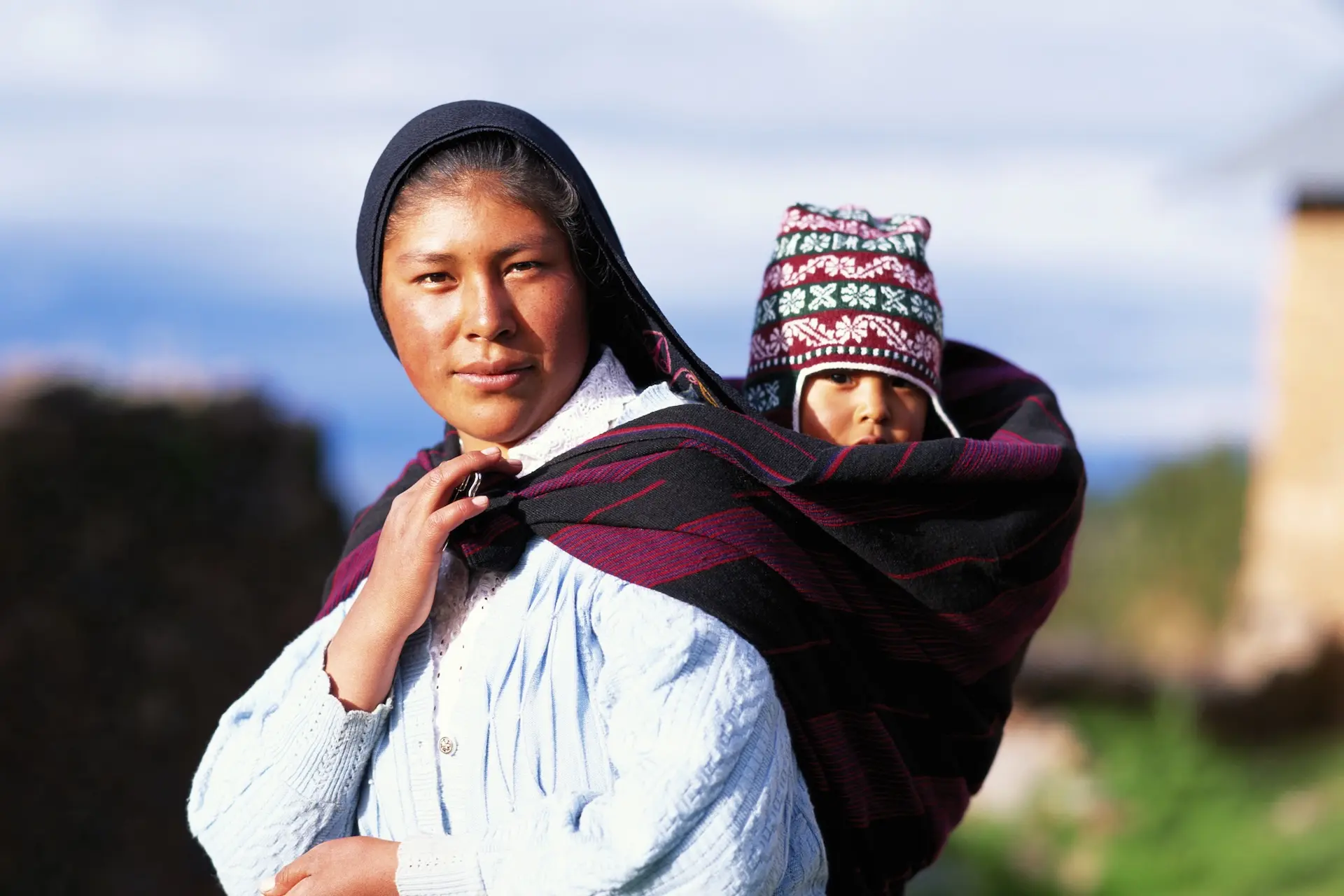
Dr Magaly Blas, medical epidemiologist at Cayetano Heredia Peruvian University, Peru, led the Mamás del Río programme to improve maternal and newborn care in remote Amazonian communities. Published in BMJ Innovations, the work informed national policy, was integrated into Peru’s health system, and expanded from 13 to 84 communities with improved newborn outcomes.
Rare case report sparks global safety rethink
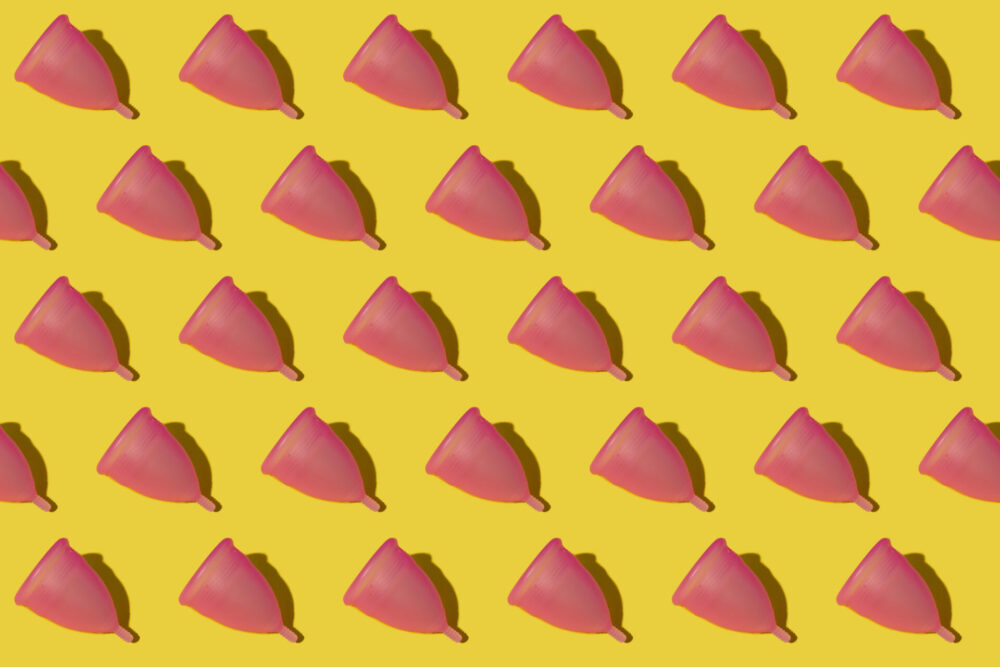
Dr Clara Maarup Prip, a urologist and gynaecologist at Aarhus University Hospital, Denmark, documented an unusual case of kidney swelling caused by a menstrual cup compressing the ureter. Published as “Ureterohydronephrosis due to a menstrual cup in BMJ Case Reports,” the paper spread quickly after it was press-released by the BMJ Group media relations team, sparking widespread discussion on safe cup use and symptom awareness.
Related posts
-
 The BMJ Commission sets out manifesto for a healthier UK
 -
 BMJ Group appoints Niels Peter Thomas as CEO, BMJ Publishing
