
Improving youth healthcare across Queensland, Australia
The Queensland Clinical Senate is an advisory body for Queensland Health that brings clinicians together to examine how the health system is working in practice. At the Adolescent to Young Adult Care: Doing Better meeting in December 2020, clinicians were clear that the system was falling short in terms of adolescent and young adult care. The Senate called for a co-designed strategy to address these gaps and improve care.
In response, Brianna McCoola, principal project officer for adolescents and young adults with the Queensland Child and Youth Clinical Network, led a nine-month co-designed process to close this gap.
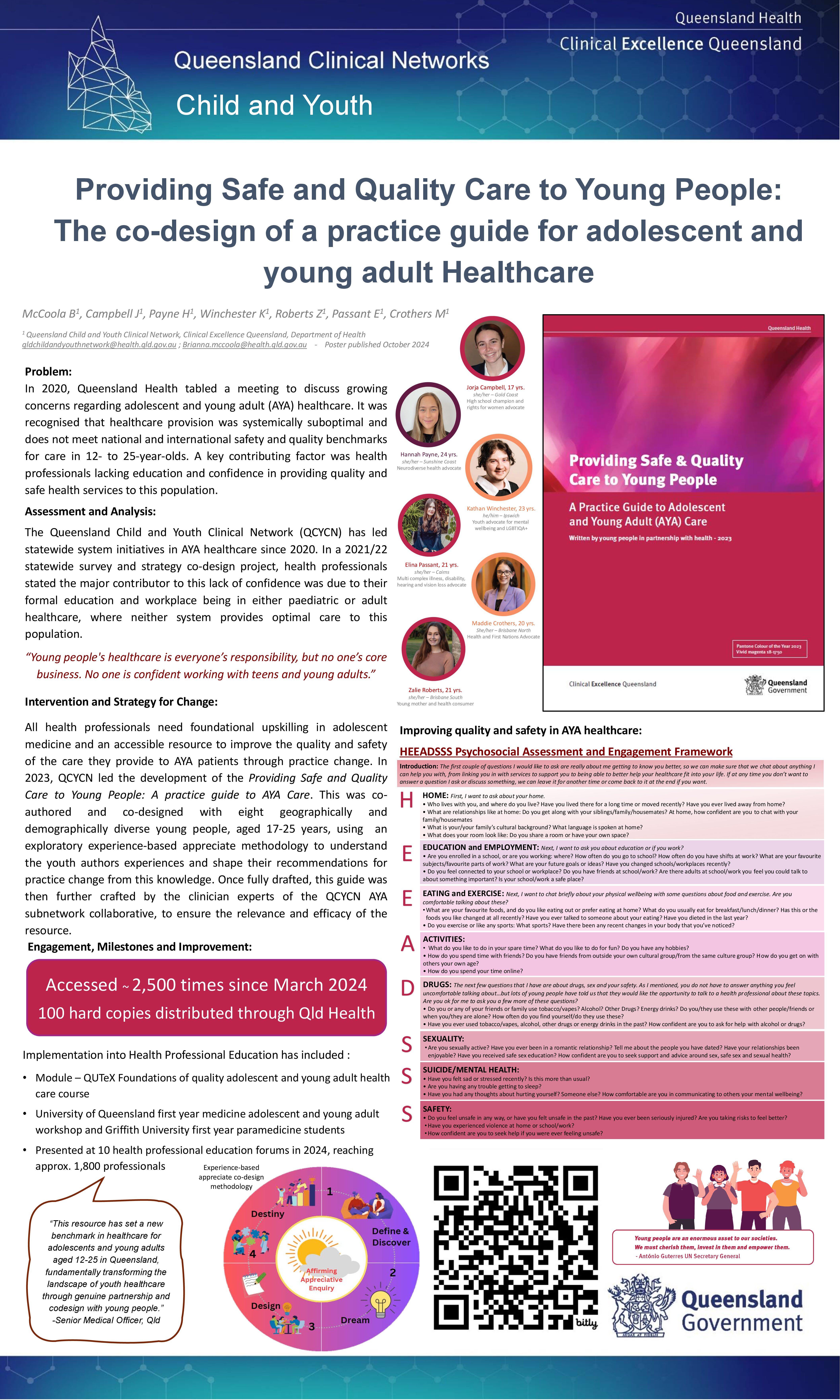
McCoola and colleagues’ BMJ Open Quality article, “Co-designing recommendations to improve adolescent and young adult healthcare in Queensland”, documents the methodology and thematic analysis of consultations with clinicians, health professionals, leaders, non-government organisations, young people, and families.
McCoola explains that clinicians were “really worried about the safety of care for young people”, noting that most had “no dedicated training in youth healthcare” and that 15 to 17-year-olds often received care in adult services.
Young people also reported that they often did not “feel believed, heard, [or] understood”.
Attending the International Forum on Quality and Safety in Healthcare over several years shaped both the development of the manuscript and McCoola’s confidence to publish it. She described her first Forum as the point at which hearing presentations “made it crystal clear to me as a clinician” that quality and safety offered the correct framing for a system-wide response to youth care.
Successive Forums also supported her professional progression. After presenting a poster and then partaking in the closing plenary in Brisbane in 2024, she said the experience “helped me realise the calibre of what we did and what we produced”. Presenting the next phase of her work, subsequent to the strategy, in Canberra in 2025, co-designing a practice guide with young people showed her how the findings may be taken up beyond Queensland. In the post-presentation discussion, she recognised that “there were people in the room that might pick this up and use this in their clinical spaces”, which demonstrated to McCoola how the work is transferable across healthcare settings.
The Forum also provided evidence of its influence in practice. Hearing that colleagues had already seen and used her co-designed resources “has really inspired me to think about what can continue to be done as next steps”, and has shaped the direction she intends to take in her future policy work.
McCoola’s current focus is to “improve Queensland’s health response in the Youth Justice sector”, carrying forward the principles developed through the original study.
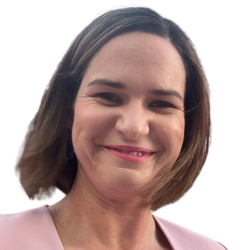
“Coming to the International Forum actually made it crystal clear to me as a clinician… this was the framing that I needed to be able to contextualise what the system needs to do.”
Brianna McCoola
Principal project officer for adolescent and young adults, Youth Justice Health Policy, Queensland Health Network, Australia
What is already known on this topic
Developing health service improvement initiatives, underpinned by co-design methodology with health professionals, patients and their families, leads to fit-for-purpose safe and quality sustainable improvements that have lasting positive effects on service delivery.
What this study adds
Adolescents and young adults are often not included in opportunities to participate meaningfully in improving health services, and are often classified as a hard-to-reach population. This study demonstrates the value of engaging with young people and their families, elevating what they need from health services to access safe, quality care that meets their needs.
How this study might affect research, practice or policy
This study outlines the methodology employed to engage young people in a meaningful project to co-design a statewide strategy to improve the quality and safety of healthcare. It also demonstrates the rich qualitative data the authors gathered using these methods, leading to a publication that discusses advanced adolescent and young adult healthcare in Queensland.
From evidence to system change
- System-wide relevance: Publishing in BMJ Open Quality (open access) ensured the strategy reached the whole health system and supported the rigour of the methodological approach
- Clear conceptual framing: Brianna McCoola’s attendance at the International Forum made it “crystal clear” that quality and safety provided the correct lens for a system-wide response to youth care
- Evidence of transferability: Networking and presenting opportunities provided by the International Forum attendance strengthened confidence in the calibre of the strategy and showed that the findings were applicable beyond Queensland
- Impact on future policy: Seeing colleagues use the resources confirmed real world uptake and informed the direction of her future work in the Youth Justice sector
About Brianna McCoola
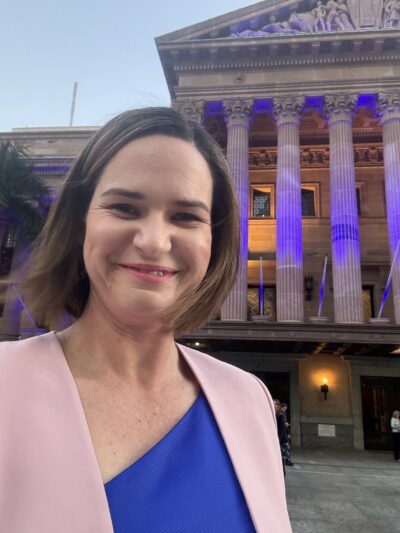
Principal Project Officer, Adolescent and Young Adults, Queensland Health; Australia
Brianna McCoola is the Qld Child & Youth Clinical Network Principal Project Officer for Adolescent and Young Adult (AYA) Health and Care. With a clinical background as a radiation therapist, Brianna brings to her role expertise in clinical care, model of care development, consumer engagement, co-design, AYA research, and the development of healthcare professional education and training. Recognized as a leader in youth health, Brianna was a finalist for the 2024 Australian Association of Adolescent Health Outstanding Contribution to Youth Health Award and her work was also a finalist in the 2024 Queensland Health Excellence Awards. She is deeply passionate about enhancing the care experience and health outcomes for young people across Queensland
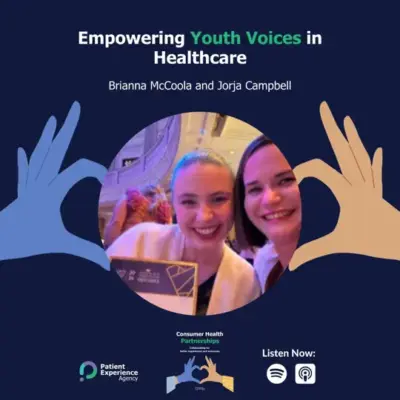
Empowering youth voices in healthcare: the impact of co-design with Brianna McCoola and Jorǰa Campbell
Jorǰa Campbell and Brianna McCoola from Queensland Health about their collaborative experience in creating a Practice Guide to Adolescent and Young Adult Care. Discussing around the project’s development, the co-creation process, and the importance of involving young people in healthcare projects.
Jorǰa and Brianna discuss the inception and execution of the book, which has significantly influenced practice changes within the Queensland health system. Sharing insights into the co-creation process with young people, the challenges faced, and the strategies used to ensure flexible and meaningful consumer engagement. Also, discussing their efforts to engage university departments and health networks, ensuring the guide is widely accepted and practically applied in healthcare settings.

International Forum on Quality and Safety in Healthcare, Oslo 2026
Under the theme “The Power of Us: Strengthening Systems and Deepening Resilience to Improve Quality in Health and Care,” the programme brings together global leaders, innovators, and practitioners to share learning and drive real-world improvement.
Across three dynamic days, you’ll discover new formats, fresh insights, and practical tools to build resilient systems, foster collaboration, and improve outcomes for patients and communities worldwide.
Related posts
-
 Improving cultural safety and communication for Indigenous people in hospitals: a consumer-defined approach
 -
 Improving allied health decision making to reduce readmissions
 -
 Exposing hidden influence in infant feeding advice
 -
 Championing the rights and health of street and working children
