
From international learning to local change
Sandra Brownlea, staff specialist in the emergency department at Royal Darwin Hospital in Australia, identified inequitable and culturally unsafe care for frequent emergency department attenders, particularly Aboriginal and Torres Strait Islander patients. Social complexity was often addressed through a biomedical lens, leaving patients exposed to stigma and systemic racism.
In 2023, attendance at the International Forum on Quality and Safety in Healthcare in Melbourne provided a practical framework to address these
challenges. Plenary sessions and case studies on co-design, consumer partnership, equity-focused service redesign, and workforce wellbeing demonstrated how frontline clinicians can implement context-specific interventions to improve outcomes and reduce avoidable emergency presentations.
Building on these insights, Brownlea and colleagues secured Medical Research Future Fund support to pilot a culturally informed, patient centred case support programme. Led by an Aboriginal health practitioner and grounded in co-designed care plans, early results were promising:
- emergency department attendance at Royal Darwin Hospital fell by 50%, 94%, and 84%
- total admission bed days dropped from 27 to 9, and,
- discharges against medical advice decreased from nine to one.
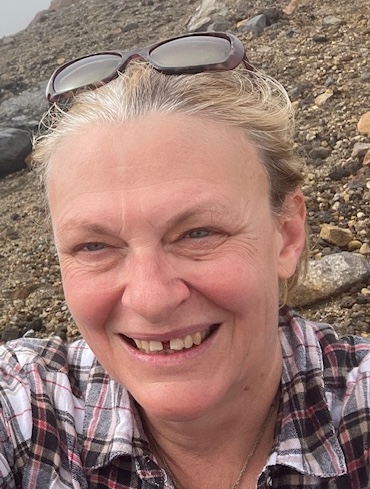
Attending the International Forum on Quality and Safety in Healthcare gave me insight into the value of co-design methodology and involving consumers, and also the value of workforce wellbeing and how all of those things can intersect and improve outcomes.”
Sandra Brownlea
Staff specialist, emergency department, Royal Darwin Hospital, Australia
This story is a great reminder that when co-design, consumer partnership, and workforce wellbeing come together, meaningful improvement follows.
Explore how the International Forum on Quality and Safety in Healthcare can support your work—turn shared learning into measurable change in your own setting.

The team at NT Health work to achieve the best health and wellbeing for all Territorians through the development, management and performance of the public health system.
Spotlight on the Communicate study: Northern Territory Health
The Communicate study was established as a multi-level partnership between Menzies School of Health Research, NT Health, the NT Aboriginal Interpreter Service, National Accreditation Authority for Translators and Interpreters, the Djalkiri Foundation, and First Nations leaders, working across Royal Darwin Hospital, Gove District Hospital, Katherine Hospital and Alice Springs Hospital.
Co-designed with Aboriginal partners, Communicate makes hospital care more culturally safe and accessible through culturally and linguistically appropriate communication, as determined by Aboriginal patients and communities themselves.
Related posts
-
 Raising awareness of a rare but serious risk linked to menstrual cup use
 -
 BMJ Group unveils 2025 impact report, spotlighting global health influence and policy reach
 -
 Facing the future, fueling the NHS
 -
 Have a story to tell?
